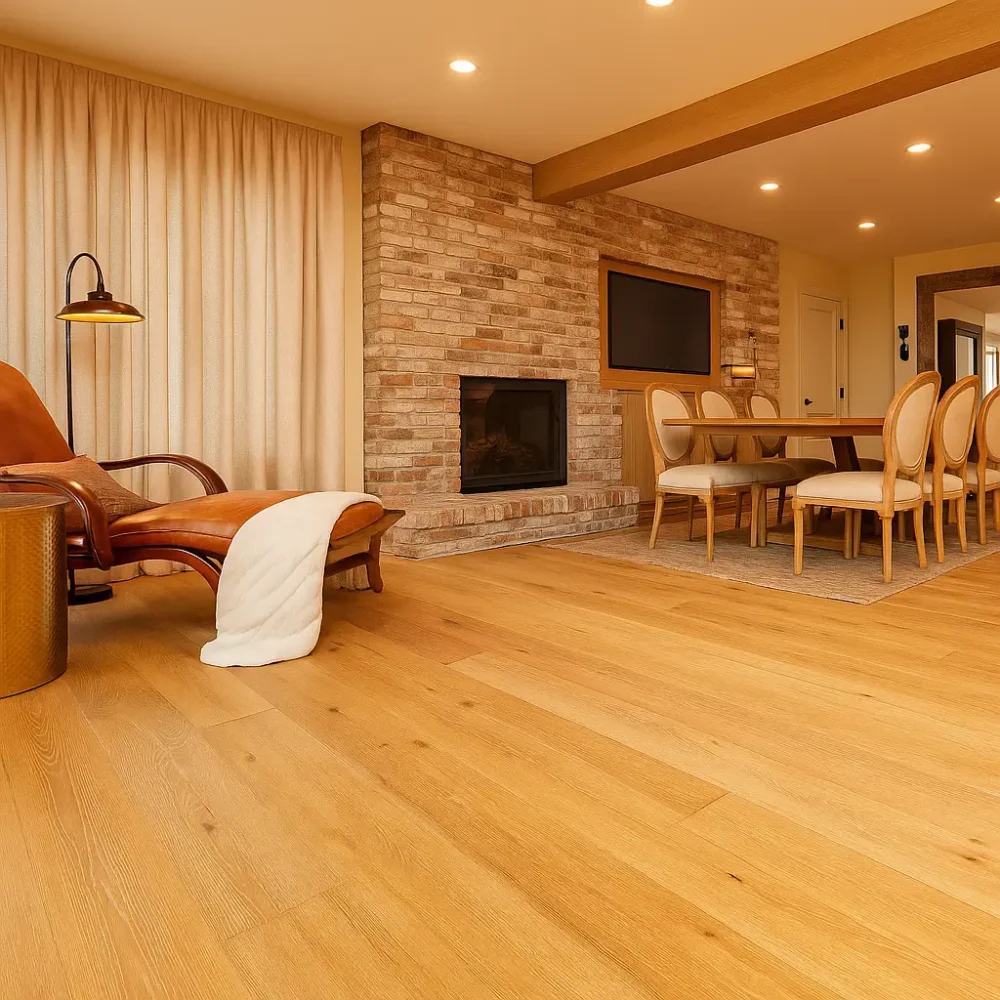
Engineered hardwood flooring, solid hardwood flooring, and unfinished hardwood flooring can feel overwhelming. This guide will walk you through the differences, benefits, and cost considerations to help you make the best choice for your space and budget.
Whether you’re shopping on a broad scale, searching for hardwood flooring broad options online, or looking for a hardwood flooring auction near me, this article gives you all the clarity you need.
What Is Engineered Hardwood Flooring?
Engineered hardwood flooring is created from multiple layers of wood that are bonded together and topped with a real hardwood veneer. This layered construction gives it superior stability, making it more resistant to moisture and temperature changes than traditional solid wood.
This is why engineered wood flooring is an excellent choice for:
- Basement installations
- High-humidity areas
- Radiant heating systems
- Commercial environments
- Modern apartments and condos
Unlike solid wood, which expands and contracts significantly, engineered wood holds its structure, making it highly durable and versatile.
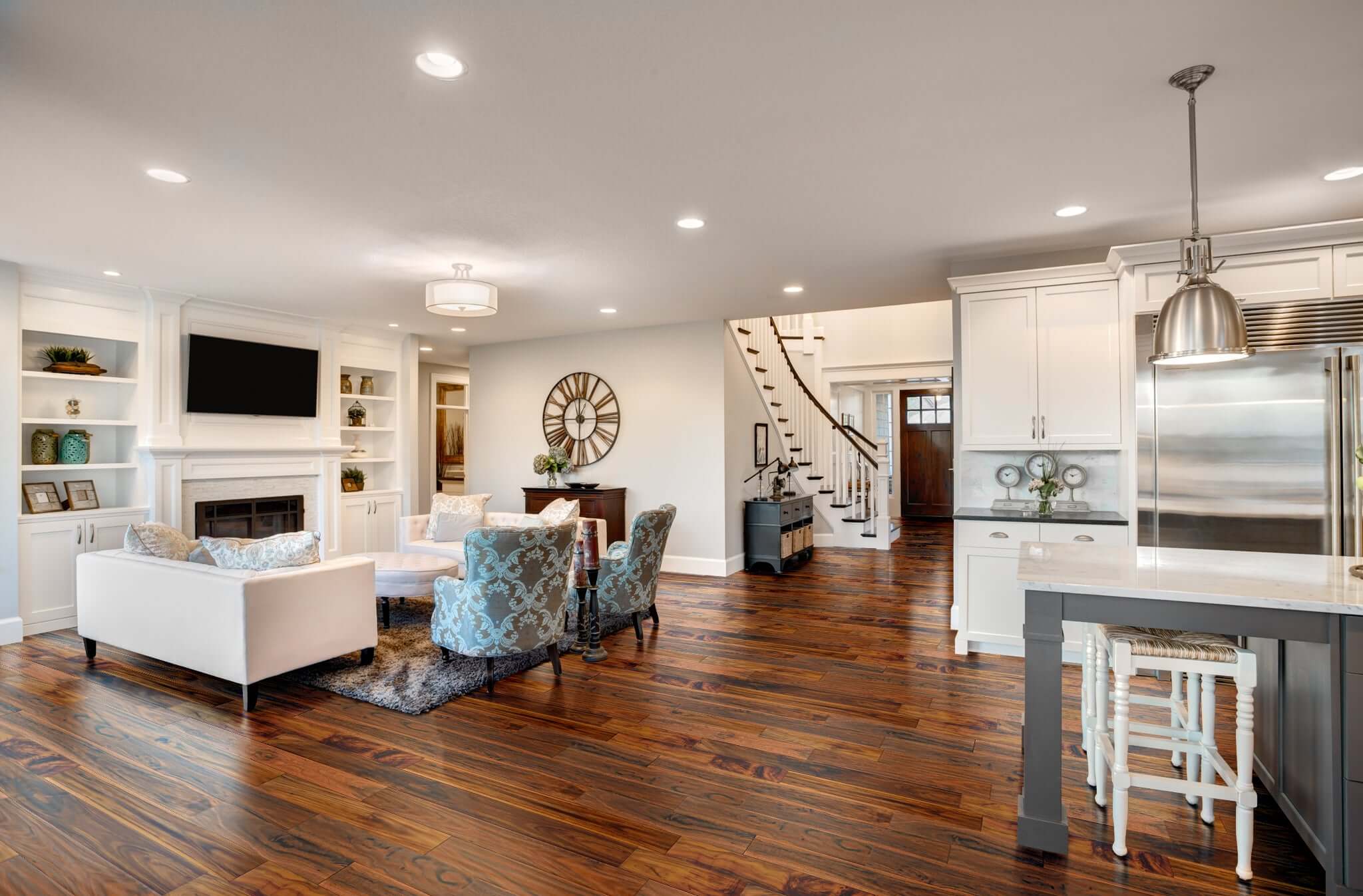
Key Benefits of Engineered Wood Flooring:
- More stable than solid hardwood
- Can be installed on concrete or subfloors
- Resistant to warping and cracking
- Often more affordable than solid hardwood
- Still offers authentic wood appearance
In many modern homes today, engineered wood flooring has become the top choice for both aesthetics and performance.
What Is Solid Hardwood Flooring?
Solid hardwood flooring is made from a single piece of natural wood. It is a classic flooring option that has been used for centuries and is known for its long-term durability and beauty.
This type of flooring is best for:
- Living rooms
- Bedrooms
- Dining rooms
- Formal spaces
- Low-humidity environments
Advantages of Solid Hardwood Flooring:
- Can last over 50–100 years with proper care
- Can be sanded and refinished multiple times
- Adds strong resale value to properties
- Offers timeless beauty and character
However, solid hardwood is sensitive to moisture and temperature changes. It may not be suitable for basements or high-humidity regions.
When comparing engineered hardwood flooring vs solid hardwood flooring, the right choice depends on your environment, budget, and renovation goals.
What Is Unfinished Hardwood Flooring?
Unfinished hardwood flooring is raw wood that has not yet been sanded, stained, or sealed. It is installed first and then finished on-site, allowing full customization of color and finish.
It’s a perfect option for people who want:
- Custom stain colors
- Seamless floor appearance
- Total design control
- Unique finishes
Why Choose Unfinished Hardwood Flooring?
- You can choose any color you want
- No factory shine – completely natural look
- Perfect for large or luxury projects
- Often offers stronger bonding to subfloors
While it takes longer to install, the customization options are unmatched.
Buying Hardwood Flooring on a Broad Scale
If you are sourcing materials for a large project or multiple properties, choosing hardwood flooring broad is a cost-effective approach. Buying in bulk allows you to:
- Save more per square foot
- Maintain consistency in quality
- Receive priority supplier discounts
- Plan for additional rooms or future renovations
Wholesale or broad purchasing is common among contractors, real estate developers, hotel owners, and renovation companies looking for high-quality results at reduced prices.
Finding a Hardwood Flooring Auction Near Me
Searching for a hardwood flooring auction near me can be an excellent way to save a significant amount of money. These auctions often feature surplus, clearance, or overstock flooring materials from major manufacturers and suppliers.
Benefits of Flooring Auctions:
- Extremely low prices
- Access to premium brands
- Large quantity availability
- Great for budget-conscious projects
When attending a flooring auction, make sure to:
- Inspect boards for damage
- Confirm square footage needed
- Check return policies
- Ask about brand and grade
This is one of the smartest methods for homeowners and businesses trying to install engineered hardwood flooring or solid hardwood flooring at a fraction of retail price.
Which Hardwood Flooring Option Is Best for You?
Here is a simple comparison to help your decision:
| Flooring Type | Best For | Durability | Moisture Resistance | Price Range |
|---|---|---|---|---|
| Engineered Hardwoods | Basements, condos | High | High | $ |
| Solid Hardwood | Living spaces | Very high | Low | $$ |
| Unfinished Hardwood | Custom projects | Very high | Medium | $$-$$$ |
If you want cost-effective stability → engineered wood flooring
If you want classic value → solid hardwood flooring
If you want full control → unfinished hardwood flooring
Final Thoughts
Choosing the right hardwood flooring depends on your location, design preference, and long-term goal. From engineered hardwood flooring to unfinished hardwood flooring, every option comes with its own advantages.
Whether you buy through hardwood flooring broad suppliers or search for a hardwood flooring auction near me, make sure you prioritize quality, durability, and proper installation.
Hardwood flooring is not just a design choice — it’s an investment in beauty, comfort, and long-term property value.