Ciri Blog

The Future of Wood Furniture in Canada
The wood furniture industry in Canada continues to evolve as consumers increasingly emphasize sustainability, durability, and design. Wooden furniture—crafted from natural materials such as maple, oak, spruce, and cedar—remains a staple choice for Canadian homes and commercial spaces alike due to its aesthetic appeal and long lifespan. Solid wood furniture is particularly popular because it outlasts many synthetic alternatives and supports environmentally conscious lifestyles. Mobility Foresights+1
Before we examine the key market trends and opportunities in Canada, it’s worth noting some unexpected cultural cross-references: icons such as renee nicole good, glenn hall, milo manheim, flames – canadiens appear in consumer search trends, reflecting how diverse online interests intersect with lifestyle and purchasing behaviors—even in the wood furniture niche. These names often surface in broader trending queries and can be strategically leveraged for creative keyword variation in content marketing.
Key Market Trends in Canadian Wood Furniture
1. Sustainability and Eco-Friendly Demand
One of the most powerful drivers of wood furniture popularity in Canada is the growing preference for sustainably sourced products. More consumers are willing to pay a premium for furniture made from FSC-certified wood and other responsibly harvested materials. This demand aligns with Canadian values around environmental protection and responsible resource use. Statista
Trending keyword ideas (eco-focused):
- sustainable wood furniture Canada
- FSC certified furniture Canada
- eco friendly wood furniture trends
- reclaimed wood furniture Canada
2. Modular and Space-Efficient Designs
Urbanization is reshaping living spaces in Canadian cities (especially Toronto, Vancouver, and Montreal). Smaller apartments and condominiums are fueling demand for modular wood furniture that combines style with functionality. Pieces such as foldable tables, convertible beds, and space-saving storage units are becoming essential in modern Canadian homes. Ken Research
Trending keyword ideas (design and usability):
- modular wood furniture Canada
- space saving furniture trends
- multifunctional wood furniture
- compact wood furniture solutions
3. E-Commerce and Digital Shopping Experience
Online sales channels are reshaping how wood furniture is purchased in Canada. Virtual showrooms, augmented reality (AR) previews, and e-commerce platforms that allow customers to visualize furniture in their own space are increasingly influencing buying decisions. This digital transformation has opened doors for both large brands and artisan makers to reach national audiences. Mobility Foresights
Trending keyword ideas (e-commerce):
- wood furniture online Canada
- virtual furniture shopping Canada
- AR furniture tools Canada
- Canadian furniture eCommerce trends
4. Custom and Handcrafted Wood Pieces
Alongside mass-produced furniture, there is a resurging market for personalized and handcrafted wood pieces. Many Canadians are moving away from disposable, big-box furniture toward bespoke designs with character, longevity, and craftsmanship at their core. Local woodcraft artisans, especially in regions like Edmonton and British Columbia, are responding to this demand with creative, custom work. YEG Woodcraft
Trending keyword ideas (custom builds):
- custom wood furniture Canada
- handcrafted wood furniture
- artisan furniture makers Canada
- bespoke wood furnishings
Challenges and Opportunities in the Canadian Market
Despite strong demand, there are several challenges within the wood furniture industry:
- Raw material cost volatility: Supply chain disruptions and rising timber costs can squeeze margins for manufacturers. Mobility Foresights
- Competition from alternative materials: Manufactured wood products and lightweight composites continue to compete with traditional solid wood furniture. Statista
- Environmental regulation compliance: While sustainability is a strength, meeting certification and environmental standards increases production complexity and cost. Mobility Foresights
However, these challenges also present opportunities:
- Branding that emphasizes local sourcing and sustainability can build consumer trust.
- Innovation in technology-integrated furniture features (such as built-in charging ports or adjustable smart designs) can attract tech-savvy buyers.
- Partnerships with interior designers, architects, and real estate developers can expand market penetration.
Practical Tips for Wood Furniture Businesses
For wood furniture manufacturers, retailers, and marketers looking to thrive in the Canadian market in 2026 and beyond, consider the following:
- Optimize online presence: Use keywords like sustainable wood furniture Canada, custom wood furniture, and even creative long-tail terms that incorporate trending names when appropriate for SEO experimentation.
- Highlight sustainable credentials: Feature certifications (FSC, eco-friendly labeling) prominently in product descriptions and marketing materials.
- Promote versatility: Showcase how wood furniture adapts to small spaces, multifunctional uses, and hybrid work-from-home setups.
- Leverage digital tools: Offer AR previews and 3D models to enhance online shopping experiences.
Smart Furniture Choices for a Comfortable Stylish Home
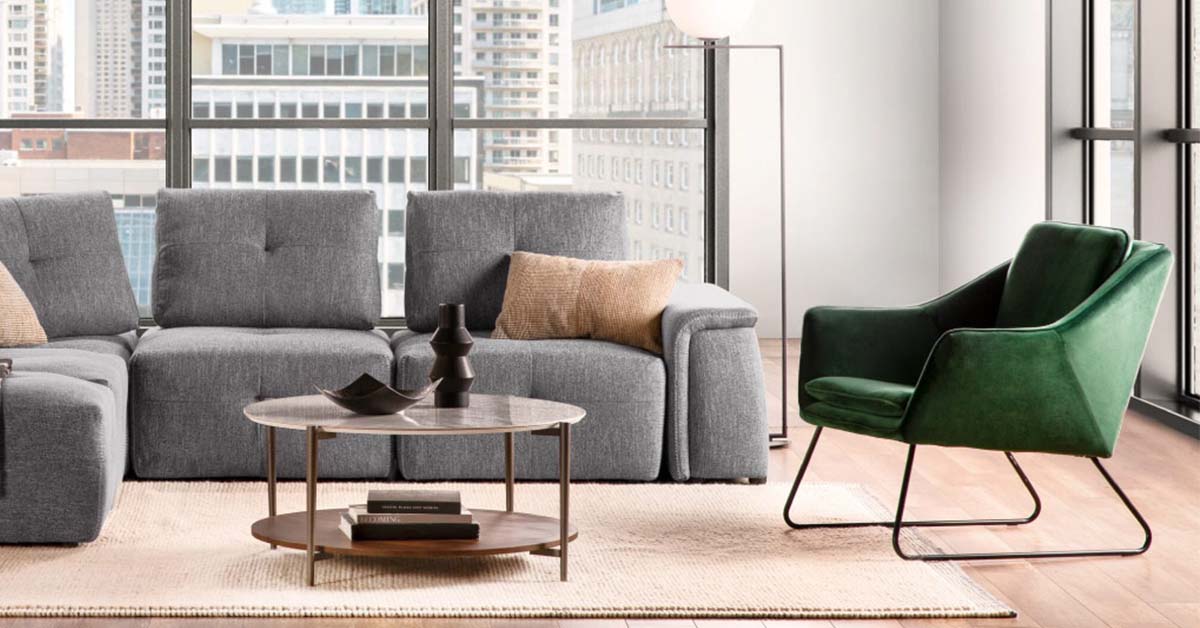
Modern Furniture Buying Guide: Comfort, Space, and Style
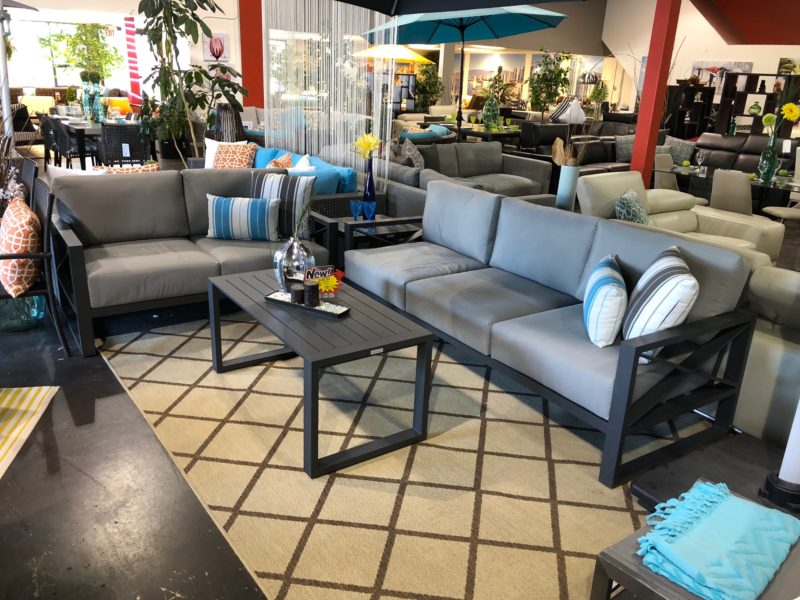
Hardwood Flooring in Ontario Canada
Devon Lane

- Architecture (7)
- Construction (6)
- Decoration (6)
- Furniture (15)
- Interior Design (5)
- Outdoor (7)
- Uncategorized (18)
- Smart Furniture Choices for a Comfortable Stylish Home January 24, 2026
- The Ultimate Guide to Design, Selection, and Care for Wood Furniture January 8, 2026
- The Future of Wood Furniture in Canada January 8, 2026
- Modern Furniture Buying Guide: Comfort, Space, and Style January 7, 2026
- Smart Home & Outdoor Styling Guide: How to Choose the Right Furniture and Décor January 7, 2026